Automatic Generators: A Trustworthy Method for Uninterrupted Power Supply
Standby generators provide crucial protection against power interruptions. These systems operate smoothly, starting up immediately after a power loss. Fueled by various energy sources, these systems guarantee homes and businesses remain operational during emergencies. Yet, grasping their utility and characteristics is essential for making a sound choice. What elements need consideration prior to purchasing such a system? The next segments discuss these vital considerations.
How Standby Generators Work: The Functionality
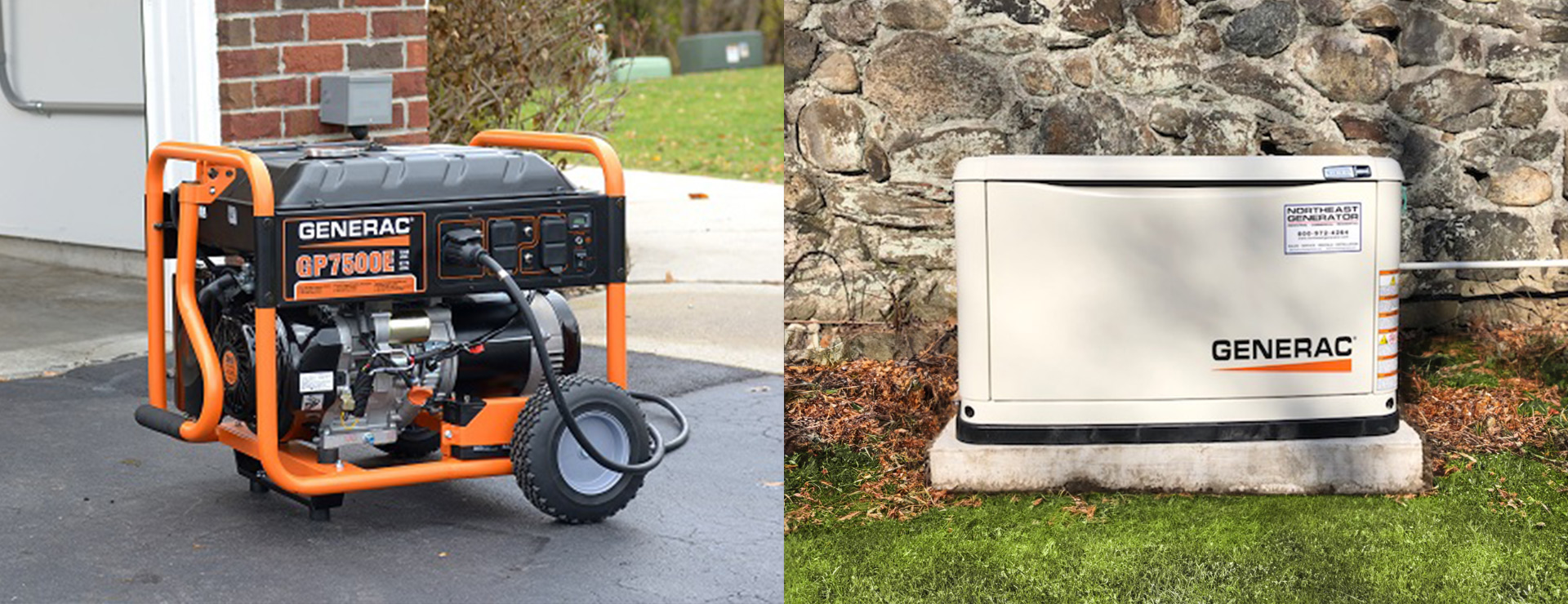
Automatic generators are vital systems that provide automatic backup power during power losses. Generators are often sited outside a home or building, wired into the power grid and running on gas, propane, or diesel. If an electricity outage happens, the system recognizes the lack of power and starts up instantly. This action utilizes an ATS (Automatic Transfer Switch), which disconnects the home from the grid and links it to the backup unit
(Portland Standby Generators)The system starts creating electricity, feeding electricity to vital loads or the complete structure, relative to its output. The majority of backup systems include a built-in monitoring system that guarantees proper functioning and upkeep. They can operate for extended periods, providing a reliable power source until the public power returns. Grasping how backup generators work allows residents to recognize their value in improving power reliability and lessening outages when the power suddenly fails
Benefits of Installing a Standby Generator
Trustworthiness is a key feature of utilizing this type of generator, since it ensures continuous electricity when the power fails. This crucial capability ensures that homes and businesses remain operational, protecting valuable assets and maintaining comfort. Furthermore, backup systems boost security through the avoidance of electricity loss that might cause dangerous conditions, such as frozen pipes or medical equipment failures.
Value for money is a key positive aspect; while the primary expenditure may be significant, the savings over time from avoided food spoilage, operational downtime, and urgent maintenance can be considerable. Moreover, backup power systems add value to the property, which makes them an attractive feature for prospective purchasers.
Ease of operation is a key factor, as these generators start up on their own during an outage, eliminating the need for hands-on operation. This uninterrupted functionality lets people to keep up their normal schedules without disruption. Overall, having a backup generator offers peace of mind, ensuring that power is readily accessible when critical.
Key Features to Look for in a Standby Generator
When choosing a standby generator, multiple important characteristics must be evaluated to achieve the best results and suitability for specific needs. To begin with, the power output is vital; potential users must figure out the needed capacity to power necessary systems during an outage. Moreover, the power source—whether natural gas, propane, or diesel—impacts performance and operational costs.
Another important feature is the transfer switch, which facilitates seamless power changeover and boosts reliability. Construction and longevity are key factors; a sturdy unit can cope with extreme weather.
In addition, how loud it is needs evaluation, as less noisy generators are ideal for home environments. Some generators offer self-starting features, providing convenience during unexpected outages. To conclude, support and coverage details need to be checked, providing reliable support and maintenance. When considering these factors, future owners can pick a unit that satisfies their specific energy requirements effectively.
Factors to Consider Before Purchase
Before committing to a standby generator, customers should carefully evaluate a few vital considerations to confirm they arrive at an educated choice. Portland Standby Generators. To start, they must assess their power needs by figuring out the necessary capacity to operate critical systems during an outage. Next, the power source is important; available types are natural gas, propane, or diesel, each with unique advantages and access factors
Additionally, customers need to examine the generator's transfer switch, which allows for smooth energy changeover. Installation necessities are crucial factors, as some generators might require professional installation or the securing of permits
Service agreements and warranties should not be overlooked, as these can greatly impact how satisfied you are in the long run. Finally, buyers need to assess how loud the generator is, particularly if they reside in a housing development. When reviewing these aspects, buyers are able to choose a backup power unit that fulfills their unique needs and expectations
Standby Generator Maintenance Guide
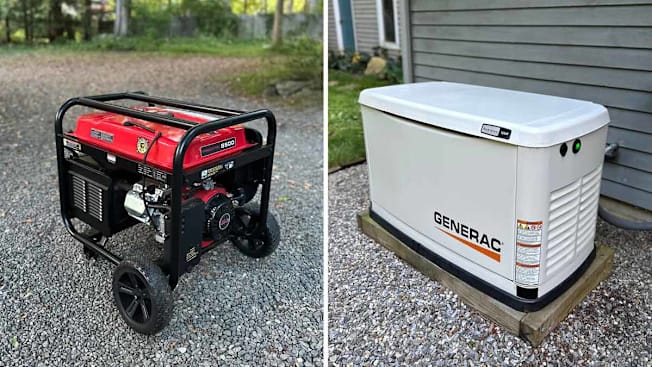
Consistent upkeep is vital for guaranteeing ideal performance and longevity of a standby generator. Start by examining how much oil the generator has, more information and replace the oil and filter according to the manufacturer's recommendations. Inspect the air filter often and replace it as necessary to guarantee optimal airflow. It is crucial to check the battery and clean any corrosion on terminals to keep the starting power consistent.
Perform load tests regularly to confirm the generator can handle its maximum load. Furthermore, ensure that the exhaust system is free of obstructions and leaks. Ensuring the generator is clean and clear of debris helps avoid overheating and problems.
Finally, arrange for expert servicing yearly to fix any issues that might arise and conduct thorough checks. Following these maintenance tips will significantly prolong the life of a standby generator, offering reassurance during electrical failures.
Frequently Asked Questions
How Much Do Standby Generators Typically Cost?
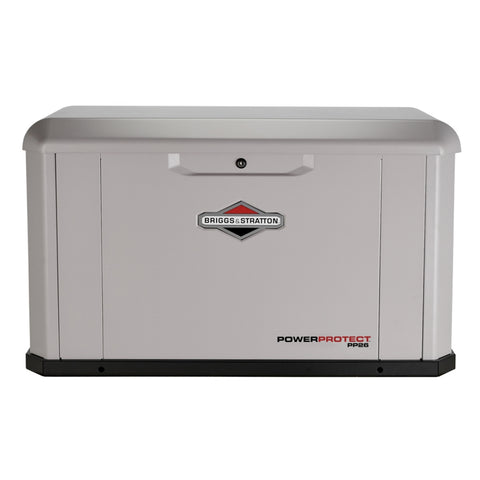
Standby generators typically cost in price from $2,000 to $15,000, based on elements like power output, brand, and installation complexity. Additional expenses may include maintenance, permits, and the cost of fuel tanks, influencing the overall investment required.
Am I Able to Install a Standby Generator on My Own?
Self-installation of a backup generator is feasible, though it demands familiarity of local regulations and electrical systems. It is highly recommended getting a contractor to guarantee safety, compliance, and ideal performance of the generator installation.
What Fuels Do Standby Generators Use?
Standby generators typically use fuels such as diesel, natural gas, propane, or gasoline. Portland Standby Generators. The selection of energy source is frequently influenced by the cost, availability, and particular power requirements, affecting the operation and efficiency of the generator
Do I Need Permits for Installation?
Absolutely, installation permits are usually mandated for the installation of standby generators. Regulations vary by location, so it is essential for homeowners or contractors to consult local authorities to guarantee compliance with all relevant codes and requirements.
For What Duration Can a Standby Unit Operate Continuously?
A standby generator can run continuously for different lengths of time, most commonly lasting 24 to 48 hours, based on the load demands and fuel availability. Routine upkeep ensures maximum efficiency and durability during prolonged periods of use.